-
Contact lensesDaily Fortnightly Monthly Toric Multifocal
Acuvue Dailies Biofinity OPSM View all brands
Solutions & Accessories Subscribe & Save 25% View all
contacts
View all
contacts
SUBSCRIBE
& SAVE 25%*On Contact Lens Refills
-
Glasses
New Arrivals Best Sellers Ray-Ban | Meta Oakley | Meta Transitions®
Clearance | Up to 50% off
Ray-Ban Oakley Miu Miu Versace
 Find your Frame
VIEW ALL GLASSES
Find your Frame
VIEW ALL GLASSES
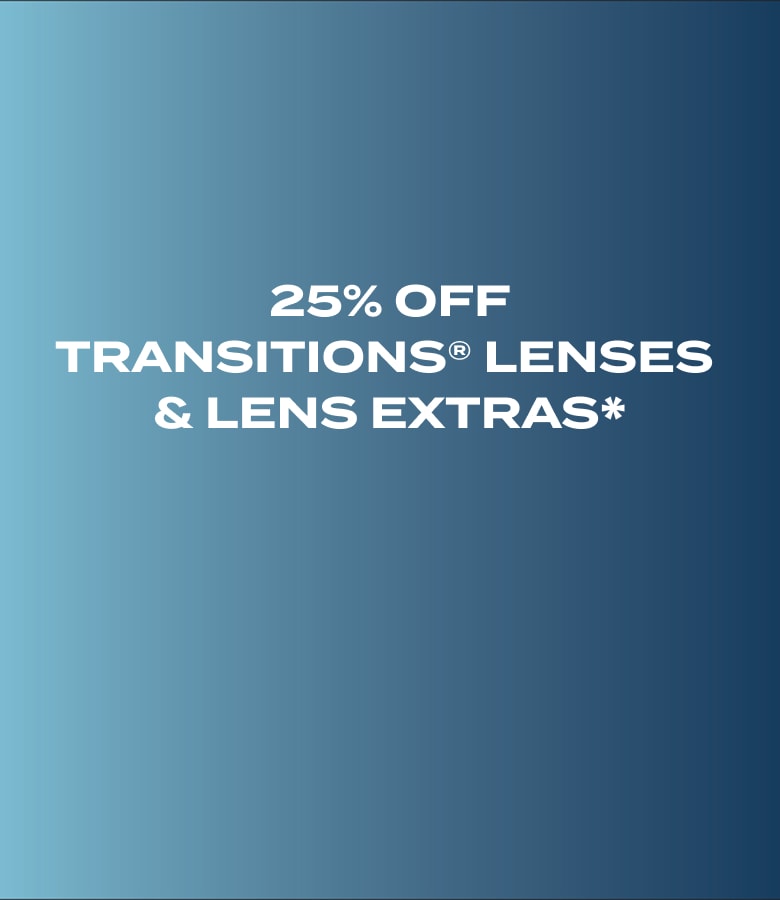 Shop now
*When purchased as a complete pair (frame + Transitions® lenses).
T&Cs apply. -
Sunglasses
New Arrivals Best SellersPolarisedRay-Ban | Meta Oakley | MetaNew
Oakley® Prizm™ Lenses
Ray-Ban Oakley Prada Ralph
Find your Frame
VIEW ALL SUNGLASSES
 Shop now
*When purchased as a complete pair (frame + lenses).
T&Cs apply. -
Brands
Our favourite brands






a - z
Alain Mikli Armani Exchange Arnette Bolon BurberryCelineCoach CostaNewDiorDolce&Gabbana Emporio Armani Giorgio Armani Gucci Jimmy Choo Michael Kors Miu Miu Moncler Nuance Audio Oakley Oliver Peoples Oroton Persol Polo Ralph Lauren Prada Prada Linea Rossa Ralph Ray-Ban Scuderia Ferrari Sferoflex Swarovski Tiffany & Co. Tom Ford Versace Vogue EyewearNew






 Book an eye test
 Health Funds
 Find A Store
 Favourites










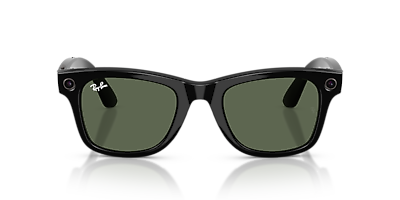
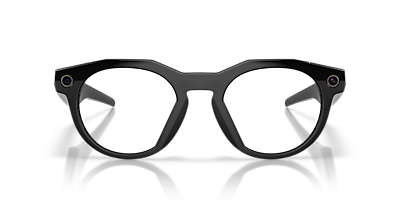



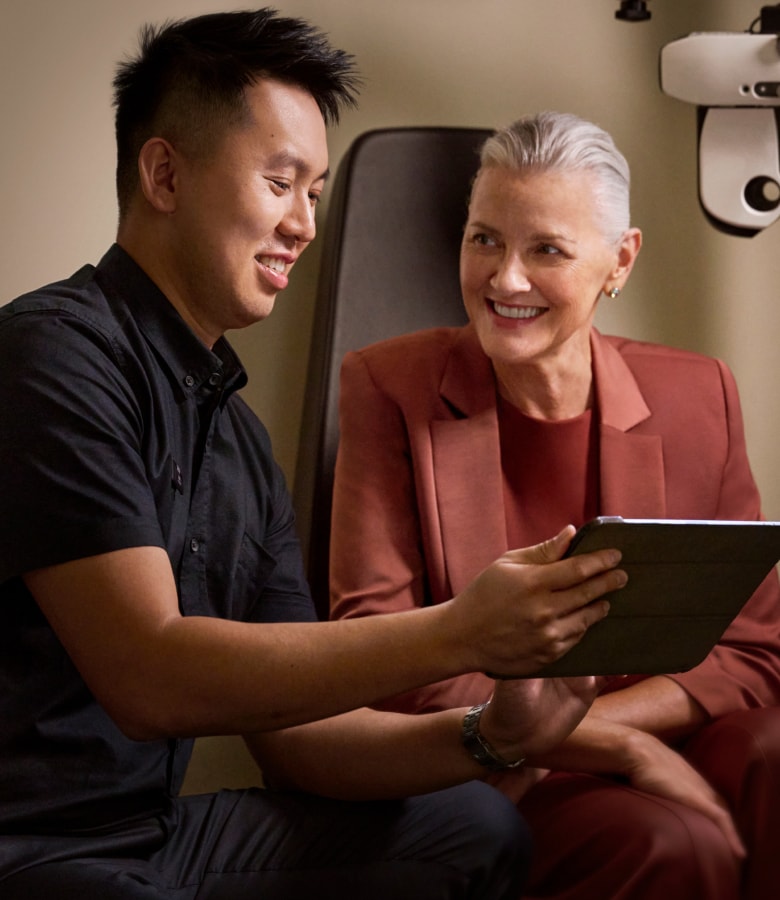




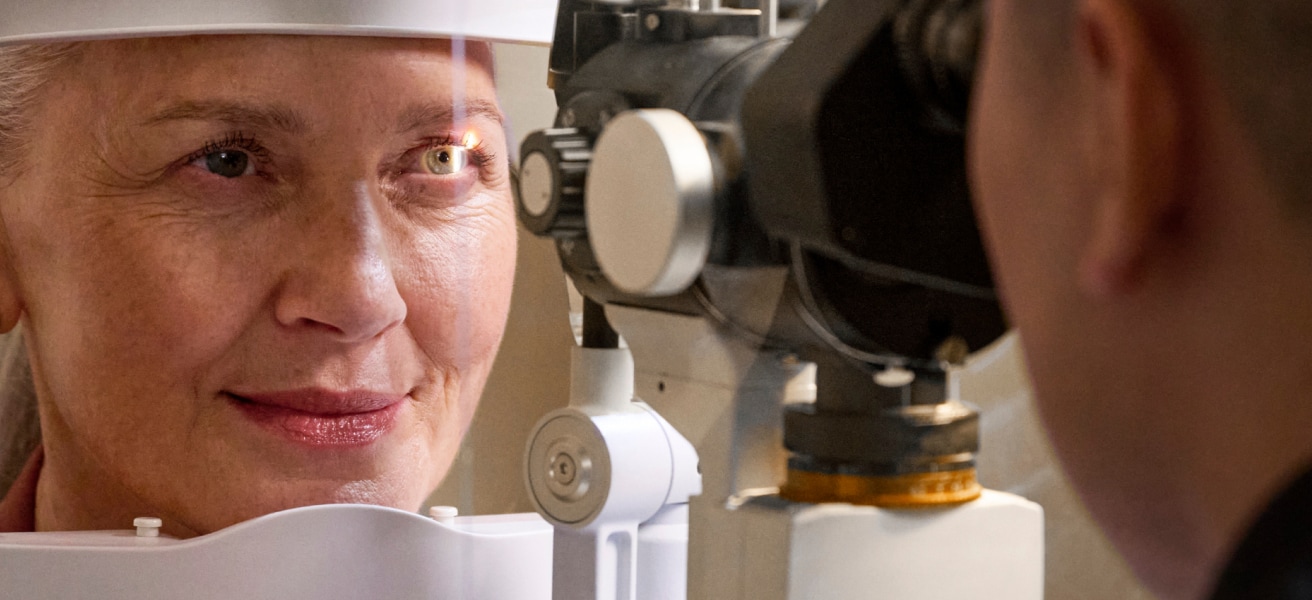
Eye Tests
Part Of Your Normal Health Routine
Everyone’s eyes are different, but we’ve made it easier for you to choose with great value eye test packages that suit all ages, situations, needs and budgets. You should have an eye test at least every two years, or more frequently if recommended by your Optometrist.
Eye Test Packages
A comprehensive eye examination that tests your visual performance and ocular health.
Time: Around 30 minutes
Cost: $75
Southern Cross Members receive a Complimentary Standard Package every year.*
*Offer is applicable on a Standard Eye Test at OPSM. Available for Southern Cross Health Society members only (excludes travel insurance and pet insurance policyholders). Please present your Southern Cross Member card or membership number to redeem the offer. Excludes contact lens examinations. Offer only available once per eligible member every year. Subject to appointment availability in store. NZ stores only. Present valid health fund card in store to redeem.
Here we build on our Standard Package with the addition of a 200 degree Ultra-Wide Digital Retinal Scan. The Optos UWDRS reveals far more of the eye’s retina and blood vessels enabling detection of ocular and general health issues that relate to the retina.
Time: Around 30 minutes
Cost: $120
This package builds on our Premium Package with the addition of an Optical Coherence Tomography (OCT) to the UWDRS, inclusive of 3D imagery. This scans the surface of the eye as well as underneath the layers, allowing for detection of a wider range of ocular and general health conditions.
Time: Around 40 minutes
Cost: $150
Tests for Special Conditions
Diabetes is the largest and fastest growing health issue we face in New Zealand, with over 250,000 New Zealanders already diagnosed. Diabetic retinopathy is the second most preventable cause of blindness in New Zealand, early detection is critical to manage and prevent sight-loss associated with diabetes. The good news is that early diabetic changes can be detected and monitored within the eye via retinal evaluation and imaging. Most at risk are people over 50, those who have a family history, and people of Maori, Pacific or Asian descent. If you are at risk, consult with your OPSM Optometrist about how UWDRS and OCT imaging can look deeper into diabetic retinopathy.
Macular degeneration is an age-related condition that causes vision impairment (even blindness). Changes in the tissue at the back of the eye can be detected by retinal evaluation and imaging. Those at greater risk of macular degeneration, including people over 50, smokers and those with a family history of macular degeneration. If you are at risk consult with your OPSM Optometrist about how DRS and OCT imaging can look deeper into macular degeneration.
Of those who have glaucoma, half of them remain undiagnosed. The condition gradually and painlessly deprives sufferers of their peripheral vision and progresses if left untreated. Once diagnosed, it can usually be treated with eye drops. Those at risk include people over 50, far or near-sighted, and people with a family history. Glaucoma can be detected by a pressure check, field of vision check and optic nerve evaluation. With additional OCT imaging and Visual Field Analysis completed on indication. Your OPSM Optometrist will screen for glaucoma and discuss any additional testing required.
Myopia, also known as 'short-sightedness', is a condition where distant objects appear blurry. Myopia is the leading cause of distance visual impairment globally and is expected to affect half of the world's population by 20501. Myopia is primarily caused by excessive eye growth during childhood2, leading to vision that typically worsens every 6-12 months throughout adolescence. Myopia can increase the risk of eye diseases such as myopic maculopathy, retinal detachment, and cataracts later in life.
Myopia progresses fastest in children under 10, making early intervention crucial. Myopia management aims to slow this excessive growth, reducing the frequency of prescription changes in the short term and the risk of eye diseases in the long-term. We have a number of treatment options available including spectacle and/or contact lenses for myopia control.
Please consult your OPSM Optometrist to find out more.
2. Carr BJ, Stell WK. The Science Behind Myopia. 2017 Nov 7. In: Kolb H, Fernandez E, Nelson R, editors. Webvision: The Organization of the Retina and Visual System [Internet]. Salt Lake City (UT): University of Utah Health Sciences Center; 1995-. Available from: https://www.ncbi.nlm.nih.gov/books/NBK470669/