-
Contact lensesDaily Fortnightly Monthly Toric Multifocal
Acuvue Dailies Biofinity OPSM View all brands
Solutions & Accessories Subscribe & Save 25% View all
contacts
View all
contacts
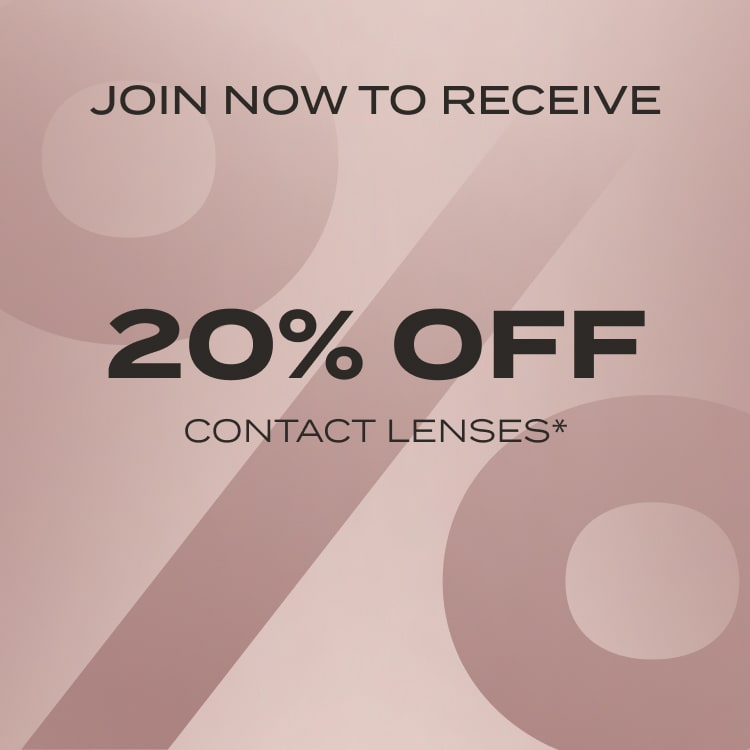 Join now
*Only valid for new and existing subscribers. T&Cs apply.
-
Glasses
New ArrivalsBest Sellers Transitions®New
Frame + Lenses From $179* Sale | Up to 50% off
Ray-Ban Oakley Miu Miu Versace
 Find your Frame
VIEW ALL GLASSES
Find your Frame
VIEW ALL GLASSES
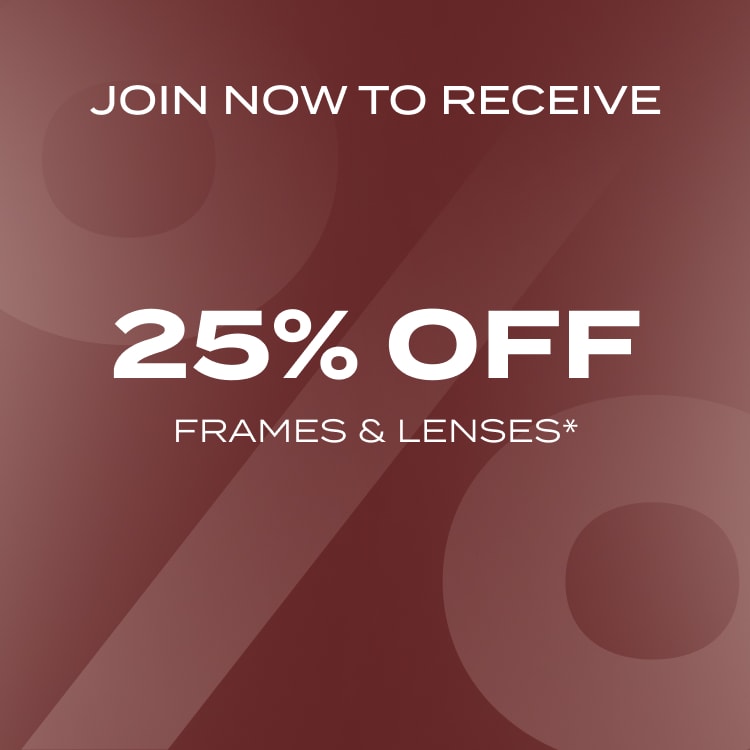 Join now
*Selected items. Only valid for new and existing subscribers.
Further T&Cs apply. -
Sunglasses
New ArrivalsBest SellersNew
Sale | Up to 50% off
Oakley® Prizm™ Lenses
Ray-Ban Oakley Prada Ralph
Find your Frame
VIEW ALL SUNGLASSES
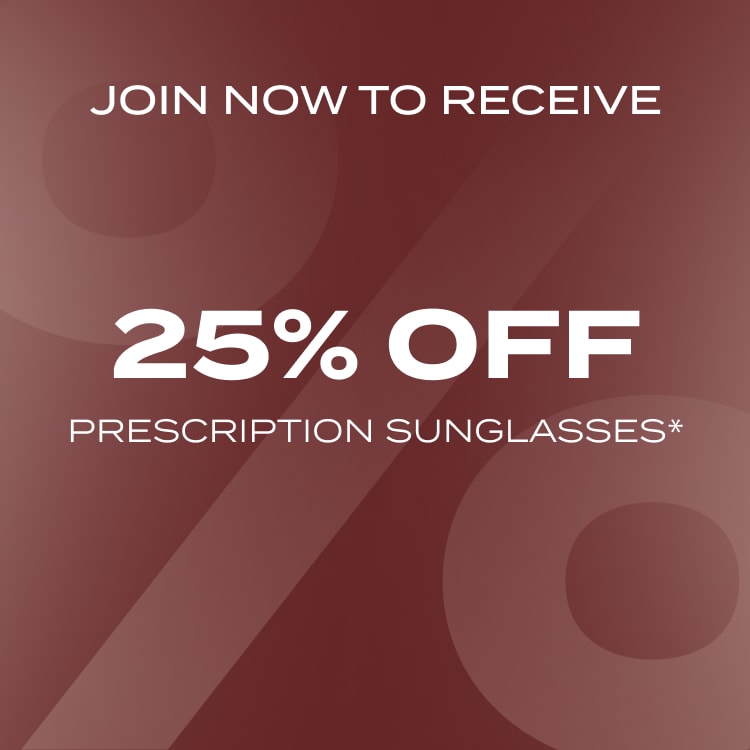 Join now
*Selected items. Only valid for new and existing subscribers.
Further T&Cs apply. -
Brands
Our favourite brands






a - z
Alain Mikli Armani Exchange Arnette Brooks Brothers Brunello Cucinelli Burberry Coach Costa Dolce&Gabbana Emporio Armani Ferrari Giorgio Armani GucciJimmy ChooMichael Kors Miu MiuNewMonclerNuance Audio Oakley Oliver Peoples OPSM Persol Polo Ralph Lauren Prada Prada Linea Rossa Ralph Ray-Ban Scuderia Ferrari Sferoflex Swarovski Tiffany & Co. Tom Ford Versace Vogue EyewearNew






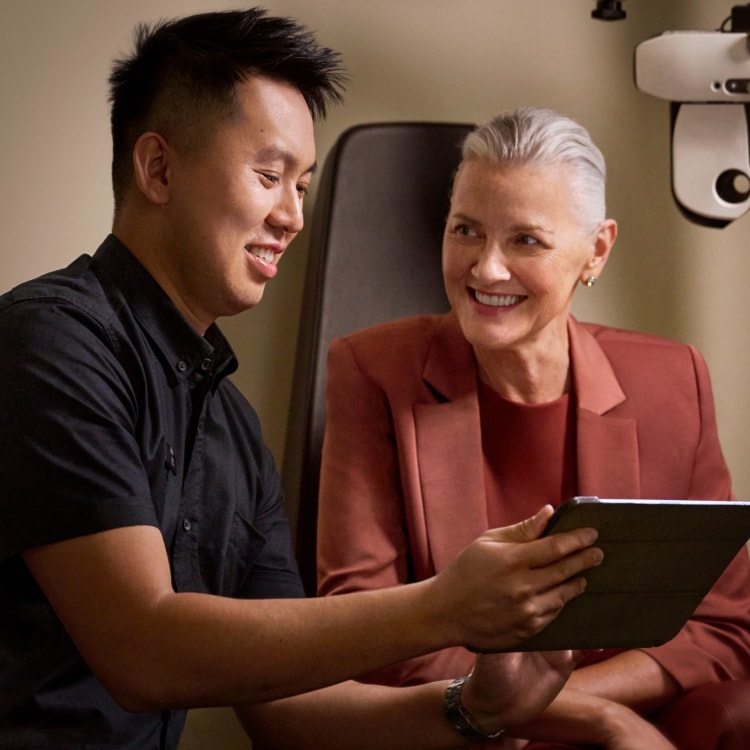
 Book an eye test
 Health Funds
 Find A Store
 Favourites











Eyecare Tips
Help for hardworking eyes
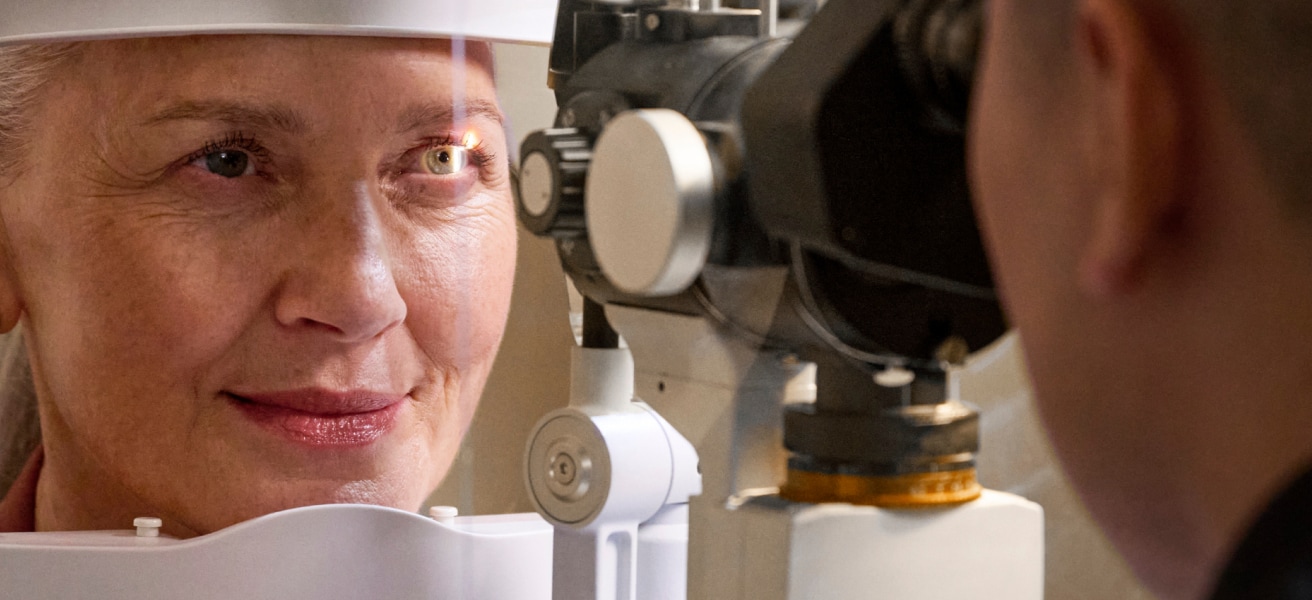
We want to help you take good care of your hardworking eyes - believe it or not, we all blink about 17,000 times a day*. So, it’s little wonder they occasionally feel tired or sore. That’s why we’ve developed the OPSM Top 5 Eyecare Tips.
OPSM top 5 eyecare tips
We can take our eyes for granted, when we should celebrate what they do for us. Start with a 30-minute eye test at least every two years. Some of us may need to be tested more often if we have particular eye conditions or if we’re over 40. If you have a family, why not get tested at the same time, so you’ll all have the chance to see more clearly?
The harm UV rays cause is often irreversible. Yes, irreversible. These harmful rays from the sun also reflect off surfaces such as water, sand and snow and the damage they cause has been linked to cataracts and conjunctival changes. What’s more, the eyelid region accounts for 5% to 10% of all skin cancers*. We all remember ‘Slip, slop, slap’, but the importance of wearing sunglasses was recognised by the Cancer Council in 2007 when they updated the famous slogan** to ‘Slip, slop, slap, seek, slide’ to include looking for shade and sliding on sunglasses.
UV radiation in Australia has increased by between 2% and 6%^ since the 1990s and youngsters spend more time outdoors than most of their parents. So, try to persuade your children to get in the habit of wearing some cool kids sunglasses, even on cloudy days when UV light can still penetrate. Sunglasses vary in quality enormously, with some sunglasses providing only a small amount of UV protection. You should only wear sunglasses with a minimum Sunglass Standards category of 2. Learn more about the categories on sunglass standards.
If you wear prescription glasses, please remember that 85% of our sunglasses can be fitted with prescription lenses and they’re 100% UV protected, so you don’t have to sacrifice style for perfect vision.
*Source: skincancer.org **Source: cancer.org.au ^Source: International Journal of Biometeorology
Your eyes love a diet rich in antioxidants and omega oils. Snacking on fruit, nuts and eating oily fish or eggs a couple of times a week will help keep them healthy. By doing this, you may reduce the likelihood of dry eyes and macular degeneration.
Foods that are good for your eyes include:
- Oily fish - salmon, herring and sardines for their Omega-3 fatty acids
- Fruit - bilberries, blueberries, prunes, raisins and strawberries as they are rich in antioxidants
- Leafy green vegetables – spinach, broccoli and kale for their essential vitamins and minerals
- Eggs - for fatty acids, lutein, B-vitamins and zinc
- Dark chocolate – for its antioxidants and flavonoids
- Garlic – which can enhance blood flow and boost the immune system
Some eye conditions, such as diabetic retinopathy, are also associated with lack of activity and exercise, so keeping fit can help keep your eyes in good shape*. How much you do is up to you, but even adding a brisk walk to your daily routine is beneficial.
Working for hours on a computer, tablet or mobile phone can lead to computer eye strain, as they’re fixed on the screen at a specific distance for long periods. Take a few moments to refresh your eyes by following our tips. If you still find that your eyes are tired and sore at the end of the day, it might be time for an eye test, even if you’re not due for one.
- Put a reminder on your computer to take a 2-3 minute break from the screen every 45 minutes
- Limit your children’s computer and gaming activity to 45 minutes a session
- Blink frequently, as it helps you avoid dry eyes and irritation
- Order anti-reflective coating on your glasses to minimise glare
- Avoid lighting that’s in your direct line of sight or reflects off the screen
- Place any reference or reading material at the same distance as your screen so your eyes don’t have to readjust
Some eye conditions can be genetic. Here are some of the most common hereditary diseases and conditions:
- Achromatopsia can be inherited from both parents, resulting in decreased vision, sensitivity to light and losing colour from your vision. Tinted lenses can help alleviate the sensitivity**
- Colour blindness - a misleading term as people called colour ‘blind’ are actually colour vision deficient. There’s no treatment and the majority of people adjust to the condition. It affects approximately 1 in 10 men, with women rarely affected. A difficulty in distinguishing between red and green is the most common type - blue and yellow may also cause confusion
- Retinitis Pigmentosa - an inherited eye disease resulting from a mutated gene that causes the retina to degenerate. It usually appears in childhood but vision issues don’t occur until the late teens and early twenties. This disease can cause people to become legally blind by the age of 40
- * Source: www.essilor.com.au
- ** Source: www.skincancer.org
- † Source: www.cancer.org.au
- ‡ Source: International Journal of Biometeorology, 2012; 56(4): 727-735.
- ^ Source: Vision Australia 2020
- ^^ Source: www.aoa.org/healthy-eyes/eye-and-vision-conditions/color-vision-deficiency?sso=y
- # Source: Queensland Institute of Medical Research, Feb 2007